From Snake Oil to Science: The Curious History of the Multivitamin

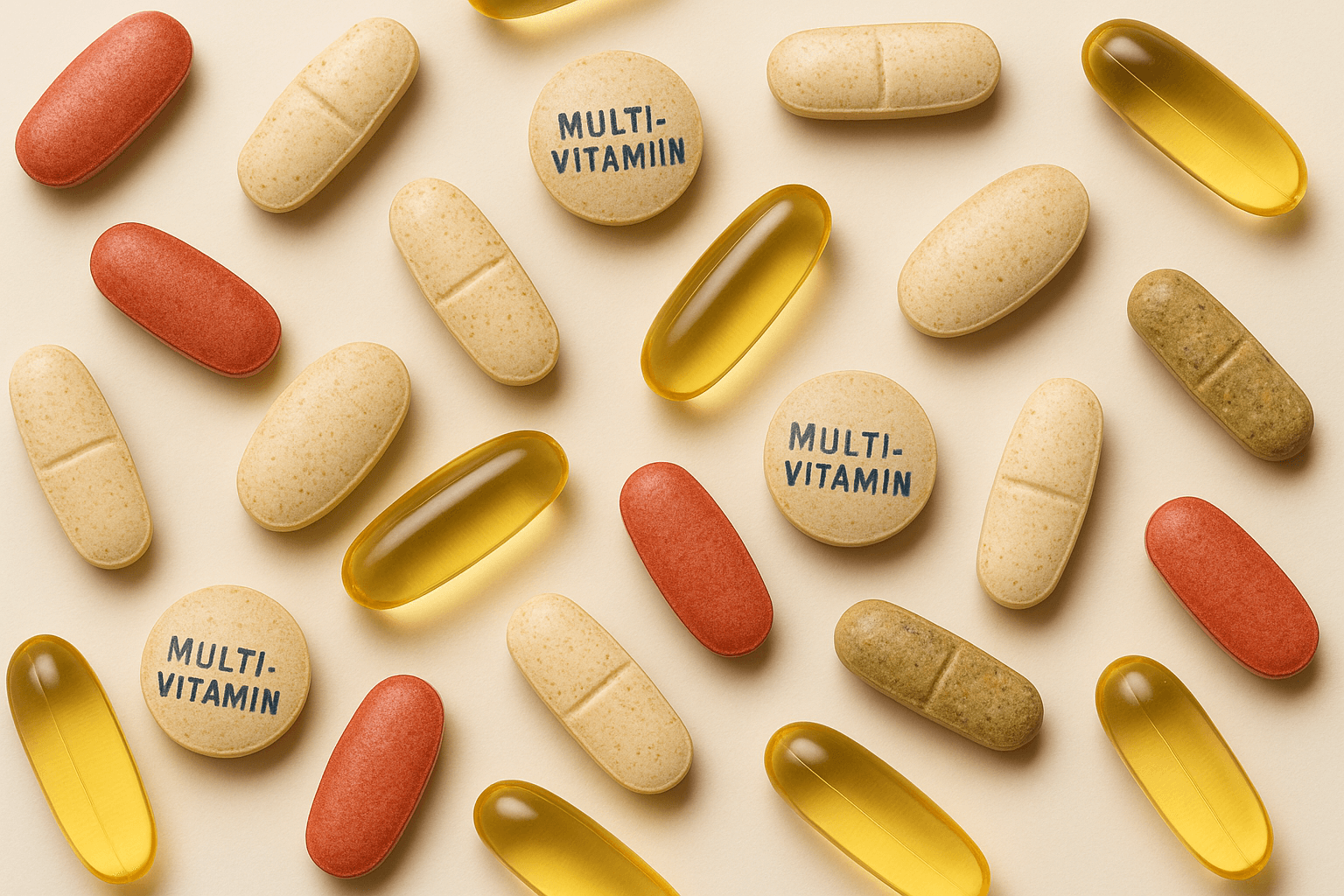
In the modern wellness aisle, few products are as ubiquitous as the humble multivitamin. Marketed as a daily insurance policy against nutritional gaps, these colorful capsules and tablets promise everything from energy and immunity to youthful skin and mental clarity. But how did we arrive at this point—where a single pill could claim to deliver a cocktail of essential nutrients? The answer involves a fascinating blend of nutritional science, global health movements, wartime rations, and a few questionable sales tactics along the way. Let’s explore the 100+ year journey of the multivitamin—from its roots in scurvy prevention to its role in today’s billion-dollar supplement industry.
The Early Days: Vitamin Discovery in the Age of Deficiency
In the 19th century, the concept of “vitamins” didn’t exist. Disease prevention revolved largely around hygiene and infectious agents. But as scientists began to notice links between diet and certain mysterious illnesses—like scurvy in sailors or rickets in children—the groundwork was laid for a new understanding of nutrition.
In 1905, British biochemist Frederick Gowland Hopkins proposed that, beyond proteins, fats, and carbohydrates, there must be “accessory food factors” required for health. By 1912, Polish scientist Casimir Funk coined the term “vitamine” (from "vital amine") while researching the compound that prevented beriberi, a nerve disease caused by vitamin B1 deficiency.
Over the next few decades, one essential nutrient after another was identified: Vitamin A (for vision), Vitamin C (to prevent scurvy), Vitamin D (for bone health), and so on. This golden age of vitamin discovery culminated in the 1930s and 40s, as scientists isolated and synthesized many of these compounds for the first time.
Wartime Necessity: Vitamins Go to Battle
World War II became an unexpected catalyst for the vitamin industry. Governments faced the challenge of keeping soldiers and civilians nourished despite food shortages. The U.S. military, in particular, began to include vitamin-fortified rations for troops. Around this time, scientists and pharmaceutical companies developed the first multivitamin-mineral (MVM) tablets, bundling several nutrients into a single daily dose.
One of the earliest commercial products resembling today’s multivitamin was “Vade-Mecum”—Latin for “go with me”—produced in the late 1930s by a U.S. company. This trend grew post-war as consumer interest in self-care blossomed, particularly in America, where optimism and prosperity spurred the rise of convenience foods—and, ironically, dietary gaps.
The Postwar Boom: Rise of the Wellness Industry
In the 1950s and 60s, multivitamins became household staples. Television and print ads often featured mothers giving vitamins to their children, reinforcing a culture of preventative care through supplementation. Products like One-A-Day and Centrum hit the shelves, promising to “cover your bases” with essential vitamins and minerals.
However, this period also saw an influx of less scrupulous marketing. Some manufacturers exaggerated health claims or sold pills with unverified contents. The lack of regulation created a Wild West atmosphere, prompting growing public skepticism and eventual government oversight.
Regulation and Reform: The FDA Steps In
By the 1970s, with increasing public concern about the safety and efficacy of supplements, the U.S. Food and Drug Administration (FDA) began to scrutinize the industry. However, because vitamins were classified as dietary supplements, they weren’t regulated as tightly as prescription drugs. This led to the 1994 Dietary Supplement Health and Education Act (DSHEA), which set clearer standards for labeling and manufacturing but continued to allow supplements to be sold without FDA pre-approval—so long as they didn’t claim to treat or cure diseases.
This legislation struck a controversial balance. On one hand, it preserved consumer freedom to access supplements. On the other, it created a loophole that allowed questionable claims to flourish under the banner of “wellness.”
Enter the Wellness Movement: 21st Century Boom
The early 2000s ushered in a new era of health consciousness. Wellness influencers, biohackers, and integrative doctors began promoting multivitamins not just for deficiency prevention, but for optimization. The messaging shifted from “avoiding illness” to “unlocking peak performance.”
This coincided with growing interest in:
- Personalized nutrition: DNA-based supplement recommendations.
- Mega-dosing: High levels of specific vitamins, like Vitamin D or B12, for perceived energy boosts or immunity.
- Clean-label products: “Whole food” or “plant-based” vitamins with fewer synthetic ingredients.
Companies like Ritual, Care/of, and HUM Nutrition brought a startup polish to the multivitamin aisle, with targeted blends for mood, fertility, skin, and sleep. The aesthetic went from pharmacy-basic to Instagram-friendly.
Scientific Debate: Are Multivitamins Necessary?
Despite their popularity, multivitamins have long divided the scientific community. Major studies like the Physicians' Health Study II and Harvard’s Women’s Health Study have found minimal benefit for chronic disease prevention from daily multivitamin use in healthy individuals.
Some researchers argue that most people can meet their nutrient needs through a balanced diet. Others note that multivitamins serve as affordable nutritional “backups” in populations with limited access to fresh food.
Interestingly, there’s stronger evidence for certain populations benefiting from supplementation:
- Pregnant women (folic acid, iron)
- Older adults (vitamin D, B12)
- Vegans (B12, iron, DHA)
- People with absorption disorders (Crohn’s, celiac)
The key takeaway? Multivitamins can be useful, but they’re not miracle pills—and definitely not a substitute for healthy eating.
Market Trends: Big Business in a Little Bottle
As of 2025, the global multivitamin market is valued at over $50 billion, with continued growth projected due to aging populations, rising health awareness, and increased demand in Asia-Pacific markets. Multivitamins come in dozens of forms: tablets, gummies, powders, effervescent drinks, and even IV drips.
Here’s how the market is segmenting:
- By demographic: gender, age group, pregnancy status, athletic level.
- By purpose: immunity, energy, stress relief, sleep, beauty.
- By delivery: traditional pills vs. chewables, strips, or liquid shots.
E-commerce has also transformed how multivitamins are sold. Subscription services, online-only brands, and influencer partnerships now dominate what used to be a brick-and-mortar purchase at the pharmacy.
The Future of Multivitamins: Personal, Precise, and Preventative
Looking ahead, multivitamins are likely to get smarter and more personalized. AI-driven health tracking apps, microbiome analysis, and wearable biometrics may all contribute to next-gen formulations. Imagine a daily supplement that adjusts based on your sleep, stress, gut bacteria, and weather.
There’s also movement toward sustainable sourcing (e.g., algae-based omega-3s) and eco-friendly packaging, aligning with broader consumer values.
However, challenges remain:
- Regulation is still patchy, especially for global e-commerce brands.
- Supplement overdosing—especially fat-soluble vitamins like A, D, E, and K—remains a risk.
- Transparency in labeling and ingredient quality continues to be a concern.
Conclusion: A Capsule of Cultural Change
The multivitamin isn’t just a supplement, it’s a reflection of how we’ve come to define health. From scurvy treatments to sleek subscription packs, its story weaves through science, war, marketing, and cultural trends.
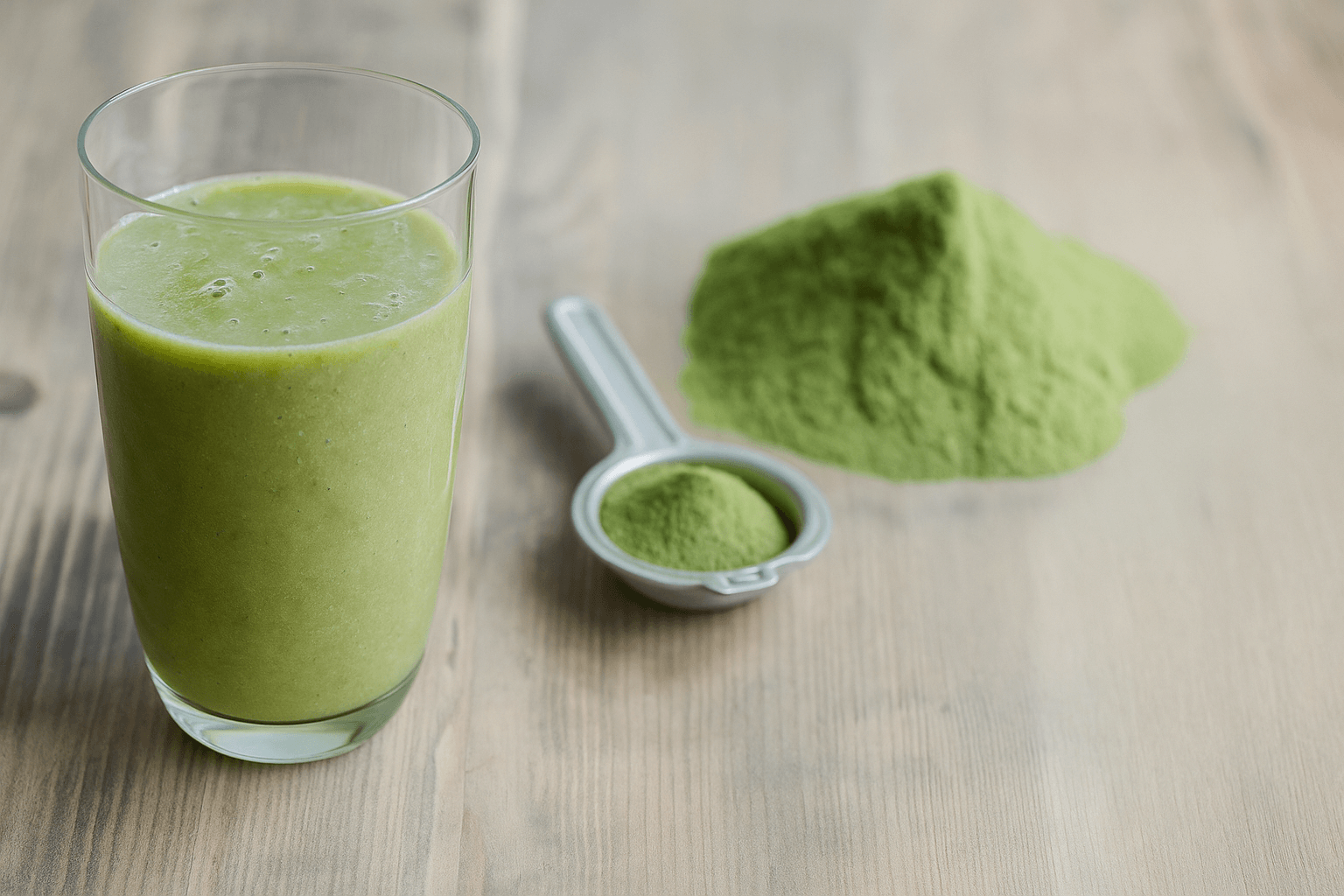
Criticized, hyped, and constantly reinvented, it still finds a place on nightstands everywhere. Whether you see it as a daily essential or a modern placebo, the multivitamin endures, as does our search for wellness shortcuts. Curious how today’s “health in a scoop” stacks up? Check out our expert reviews of top super green supplements.
Latest blog posts about Health Guides
-
Uncategorized Are Super Green Supplements Worth It? Yes — Here’s Why.

Lindsay Warner article author
May 4, 2025
-

Brooklyn White article author
May 4, 2025
-
Lindsay Warner article author
May 4, 2025